Visual
That, as it happens, is a pretty good definition of what cinematography does at its best: It converts feelings and ideas and unspeakable desires into the visual. Much the same could be said about painting https://voltagebets.org/mlb/. In all probability, the two arts will continue to speak to each other—sometimes competitively, sometimes cooperatively, but always productively.
By utilizing these resources, you can deepen your understanding of how cinematic techniques enrich painting and appreciate the innovative works that emerge from this interdisciplinary approach. The ongoing dialogue between film and painting continues to inspire and challenge artists, pushing the boundaries of what visual art can achieve.
The most bodacious example of the employment of Hopper’s frames in film is in Gustav Deutsch’s 2013 singular work Shirley: Visions of Reality, which recounts the life of a fictional actress named Shirley through thirteen paintings by Edward Hopper. There is a specific lack of narrative flow in Deutsch’s film, owing to its heavily constructed nature, but what catches the eye is the interplay of the discernible color scheme, the blocking, and the lighting (that is peculiar to Hopper), creating a cinematic space where the characters on screen remain ensconced in an embrace of emptiness, wrapped in “the loneliness thing.”
Film graphic
Graphic design plays a crucial role in enhancing the viewer’s experience in films and television shows. It combines typography, color schemes, motion graphics, and visual branding to create captivating and immersive narratives. Visual storytelling is a foundational pillar of the entertainment industry, enchanting audiences and transforming their perceptions.
Here’s a simple one. If you want white on camera, your graphics have to be off-white or it will create hot spots on film. You learn as you go, and after 80 plus films, I’m still learning on how to make my graphics read better on film. Typically you have split seconds, if that, to communicate your ideas, so the graphics have to be absolutely clear. You can’t expect the audience to figure out your thoughts. What works in life almost gets lost on film unless it’s part of the story.
“And we are actually planning to do some of our own workshops in the next six months as a result of constantly meeting people who don’t know how to take their graduate skills to the next step. The idea is to run some weekend workshops in the coming months, based in London, for small groups looking to develop their graphic design in film skills.
Our mission is to create tactical, actionable articles that teach valuable skills. We want to highlight the amazing work that’s being done every day in our industry, but instead of conducting armchair interviews, we dive into the messy details and show you how it actually works.
Besides what the audience sees (and often doesn’t catch), graphic designers are essential in making sets and props for the actors’ experience on set. It helps them create an authentic feel of that time, space, and reality to set the tone for the storytelling and their characters.
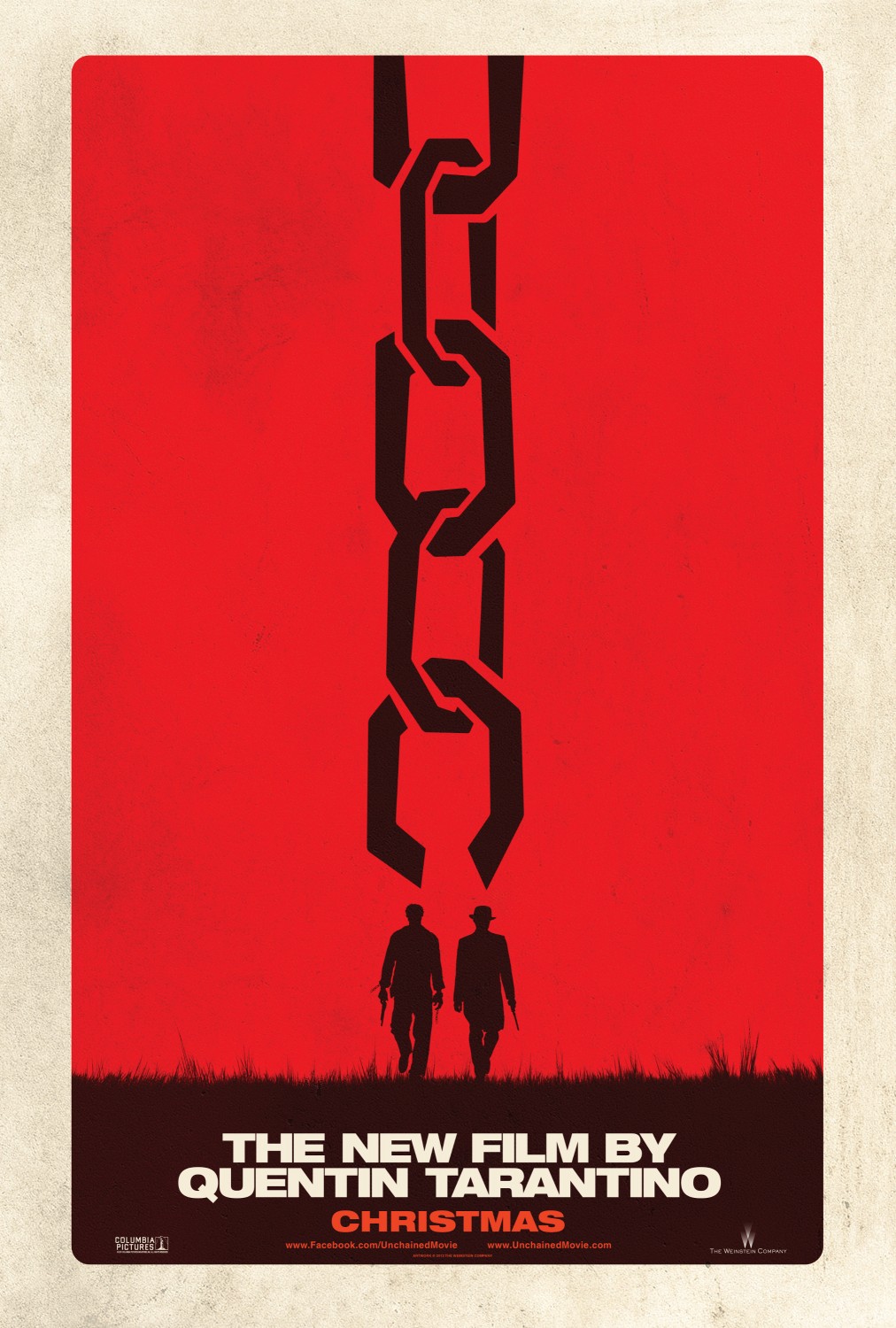
Retro graphic
This mix of old and new can create a visual imbalance, making the retro elements stand out too much and disrupting the overall flow of a space or product. It can be challenging to make the design feel cohesive and in harmony with its surroundings.
Muted and Warm Color Palettes – Soft pastels, earthy tones, and faded hues create a timeless appeal. These colors evoke warmth and familiarity, giving designs a vintage touch. Often, designers use aged effects, such as sepia filters or slightly desaturated tones, to enhance the nostalgic aesthetic.
To achieve this retro aesthetic you need some form of source material, such as old American comics or advertising art. And although a bit difficult to properly pull off, you can even go as far as using your own selfies for this.
Grainy and Textured Overlays – These elements add depth and an aged feel to digital designs. Vintage posters, old photographs, and analog prints naturally feature imperfections like noise and grain, making them appear more authentic and visually interesting. Adding textures like paper creases, dust specks, or distressed overlays can further enhance the aged effect.
While perceived through a modern lens, artists, companies, and audiences are embracing the retro graphic design style with open arms. Even the world’s biggest brands, such as Nike, Pepsi, and even the fashion powerhouse Gucci, have integrated retro designs into their marketing, packaging, and advertising campaigns. Needless to say, the retro design theme will unquestionably top the modern graphic design trends in 2024.
When it comes to retro design, there is a variety of elements to consider. This also depends on what you’re working on and the elements available, whether you design an email newsletter, blog, or any other form factor. And when you have the right elements in the right order, taking your audience down memory lane (through retro design) can go smoother.