
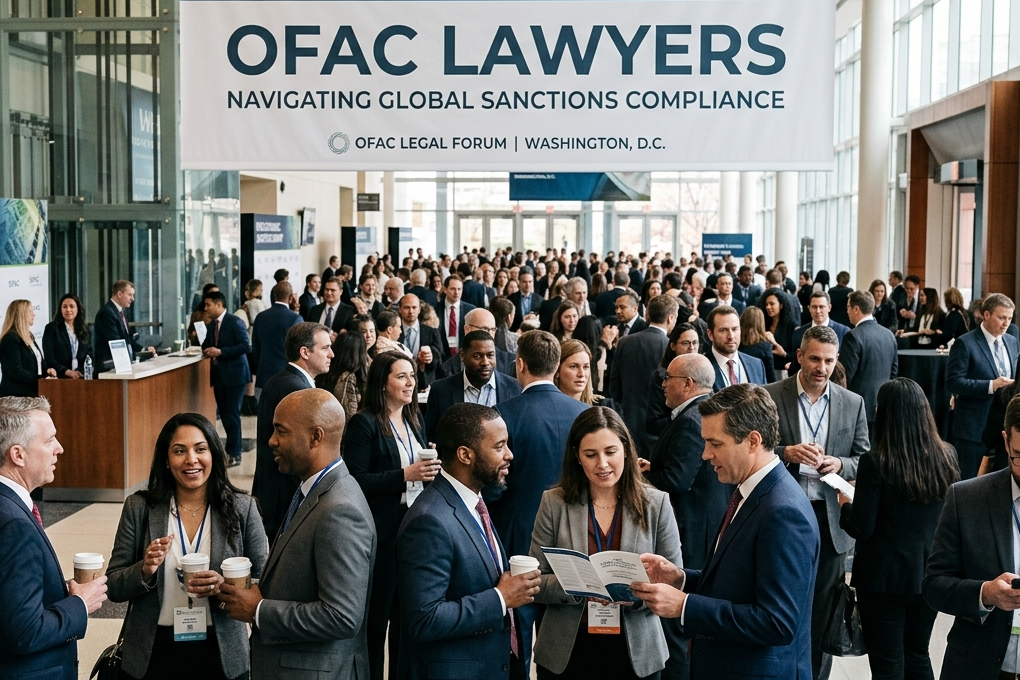
Sanctions attorneys, also known as compliance attorneys, are specialized legal professionals who help individuals and businesses navigate complex frameworks of international laws and regulations, particularly concerning economic sanctions imposed by governments or international bodies. With increasing geopolitical tensions and the rising number of sanctions being imposed globally, the demand for skilled Sanctions Attorneys OFAC attorneys and experts in sanctions compliance is becoming more pronounced. In this article, we will explore the role of sanctions attorneys, their significance in the contemporary legal landscape, and the various aspects of their work.
The Basics of Sanctions Law
Sanctions can be defined as penalties imposed by a government or an international organization on countries, entities, or individuals to promote foreign policy or national security objectives. These sanctions may be comprehensive or selective, ranging from trade restrictions to asset freezes and travel bans. Various authorities, including the Office of Foreign Assets Control (OFAC) in the United States, the European Union, and the United Nations, implement sanctions for different reasons, including human rights abuses, terrorism, and nuclear proliferation.
The Role of Sanctions Attorneys
Sanctions attorneys play a critical role in helping clients understand and comply with these often-complex regulations. Their responsibilities may include:
- Legal Assessment: They assess a client’s activities and transactions to determine whether they are subject to existing sanctions.
- Advisory Services: Sanctions attorneys provide advice on how to structure transactions to comply with regulations while minimizing risks.
- Risk Mitigation: They develop compliance programs to help organizations mitigate risks associated with sanctions violations.
- Representation in Enforcement Actions: If a client faces enforcement actions or penalties, sanctions attorneys represent them in negotiations and legal proceedings.
Why Choose a Sanctions Attorney?
Businesses engaged in international trade or financial transactions are particularly vulnerable to sanctions violations, which can result in severe penalties, including hefty fines and reputational damage. Therefore, the decision to enlist the services of sanctions attorneys is often a proactive measure. Here are a few reasons why organizations should consider their expertise:
- Expertise in Complex Regulations: Sanctions laws are intricate and often change. Sanctions attorneys stay updated on these changes and can provide the most relevant advice.
- Customized Compliance Programs: They can tailor compliance programs specifically for the unique needs of the organization, ensuring comprehensive risk management.
- Focus on Core Business: By outsourcing sanctions compliance to specialists, businesses can focus more on their core operations, improving efficiency and productivity.
Common Challenges of Sanctions Compliance
Despite their best efforts, companies often face multiple challenges when trying to comply with sanctions laws. Some of these challenges include:
- Vague Regulations: Many sanctions laws may have vague wording or definitions, making them difficult to interpret.
- Inconsistent Enforcement: Different jurisdictions may enforce sanctions differently, creating confusion for multinational companies.
- Rapid Changes: Sanctions regulations can change rapidly in response to global events, making staying compliant a moving target.
Best Practices for Sanctions Compliance
Organizations can adopt a few best practices to enhance their sanctions compliance efforts:
- Regular Training: Conduct regular training sessions for employees regarding sanctions laws and compliance protocols.
- Establish Clear Procedures: Create and maintain clear internal procedures for identifying and managing potential sanctions-related issues.
- Utilize Technology: Consider using compliance software to help monitor transactions and flag potential sanctions risks efficiently.
Conclusion
The landscape of international law and sanctions is continually evolving, imposing new challenges on businesses worldwide. The guidance and expertise offered by sanctions attorneys are invaluable for navigating this complicated legal terrain. By understanding the importance of sanctions compliance and leveraging the knowledge of skilled attorneys, companies can protect themselves against potential violations and ensure smooth international operations.
As geopolitical landscapes shift and new sanctions emerge, the role of the sanctions attorney will only grow more crucial. Engaging with these legal experts not only helps mitigate risk but also fosters a compliant and responsible business environment, ensuring that organizations can thrive even in challenging situations.