The evolution of gambling a journey through time and culture
The Origins of Gambling
The history of gambling dates back thousands of years, with evidence suggesting that ancient civilizations engaged in various forms of wagering. Archaeological findings from China reveal that rudimentary gambling games were played as early as 2300 BC. Similarly, ancient Romans and Greeks utilized dice and betting games, which served both as entertainment and as a social activity within their cultures. Today, many are intrigued by the best online casino real money options available, reflecting how far the practice has come.
In many societies, gambling was intertwined with religious and cultural practices. The ancient Egyptians, for instance, would often play games of chance, believing that luck and fate were controlled by divine forces. This intertwining of belief systems with gambling set the stage for its evolution as a complex social phenomenon that transcended mere chance.
The Medieval Era and the Rise of Gaming Houses
During the medieval period, gambling took on new forms, largely influenced by the expansion of trade and interaction among cultures. The establishment of gaming houses became prevalent in Europe, where individuals could engage in card games, dice, and other wagering activities. This era also saw the rise of gambling regulations, as authorities began to recognize the need to control and tax these activities.
The proliferation of card games, in particular, transformed the landscape of gambling. Games such as poker and blackjack emerged, quickly becoming favorites among players. As gambling became more organized, societal attitudes also shifted, with some viewing it as a vice while others embraced it as a legitimate pastime.
The Impact of the Industrial Revolution
The Industrial Revolution marked a significant turning point in the evolution of gambling. With urbanization came the establishment of casinos, which offered more formalized settings for gambling activities. These venues not only provided entertainment but also contributed to the economic growth of cities by attracting tourists and generating revenue.
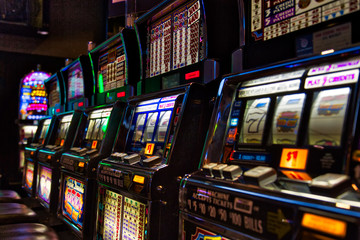
Technological advancements also played a crucial role during this period. The invention of the slot machine in the late 19th century revolutionized gambling, making it accessible to a broader audience. This democratization of gambling led to a surge in popularity, with individuals from various social classes participating in wagering activities.
Modern Gambling and the Digital Age
As we entered the 20th and 21st centuries, the landscape of gambling underwent dramatic changes, particularly with the advent of the internet. Online casinos and betting platforms have made gambling more accessible than ever, allowing players to engage in their favorite activities from the comfort of their homes. This shift not only expanded the market but also introduced new challenges related to regulation and security.
The legal landscape of gambling has evolved significantly, with various jurisdictions adopting different approaches to regulate online and offline gambling activities. While some regions have embraced a more liberal stance, others remain restrictive, reflecting cultural attitudes toward gambling. This ongoing evolution highlights the need for comprehensive security solutions to protect users in an increasingly digital world.

Conclusion: The Future of Gambling
The evolution of gambling is a fascinating journey through time and culture, shaped by social, economic, and technological factors. Today, as gambling continues to adapt and evolve, it remains a reflection of human behavior and societal norms. The blend of tradition and innovation ensures that gambling will be a dynamic aspect of culture for years to come.
For those interested in exploring this ever-changing landscape, it’s essential to stay informed and protected. Security solutions are vital to ensuring a safe and enjoyable gambling experience, whether online or in physical venues. Understanding the legal and cultural implications of gambling can enhance not only enjoyment but also safety in this thrilling activity.