Your Journey Into Forex Trading: A Comprehensive Training Guide
In the ever-evolving world of finance, forex trading has emerged as one of the most appealing avenues for investors looking to capitalize on currency fluctuations. With a daily trading volume exceeding $5 trillion, the Forex market offers ample opportunities for individuals willing to take the plunge. However, like any other financial venture, success in Forex trading requires valuable knowledge, skills, and strategies. This comprehensive guide serves as an introduction to Forex trading training, designed to help you navigate the complexities of the foreign exchange market. For those in Argentina, learning from reputable sources such as forex trading training Brokers Argentina can significantly enhance your trading journey.
Understanding the Basics of Forex Trading
The first step in your Forex trading training is to grasp the fundamental concepts that underpin the market. Here are several key terms and ideas:
- The Forex Market: A decentralized marketplace where currencies are traded. It operates 24 hours a day, five days a week.
- Currency Pairs: Currencies are traded in pairs, such as EUR/USD or GBP/JPY. The first currency is the base currency, and the second is the quote currency.
- Bid and Ask Price: The bid price is the amount a buyer is willing to pay, while the ask price is the amount a seller desires.
- Spread: The difference between the bid and ask price, representing the broker’s profit from each trade.
Establishing a Solid Trading Plan
One of the most critical elements of successful trading is having a well-defined trading plan. This plan should include:
- Trading Goals: Set realistic financial goals, whether it’s earning a specific percentage return or building capital over time.
- Risk Management: Determine how much capital you are willing to risk on each trade and the overall amount you can afford to lose.
- Market Analysis: Decide whether you will use technical analysis, fundamental analysis, or a combination of both to inform your trading decisions.
- Trading Strategies: Identify specific strategies that align with your trading style, whether day trading, swing trading, or scalping.
Technical and Fundamental Analysis
Two primary schools of thought in Forex trading training are technical analysis and fundamental analysis. Understanding both can provide a well-rounded perspective for making informed trading decisions.
Technical Analysis
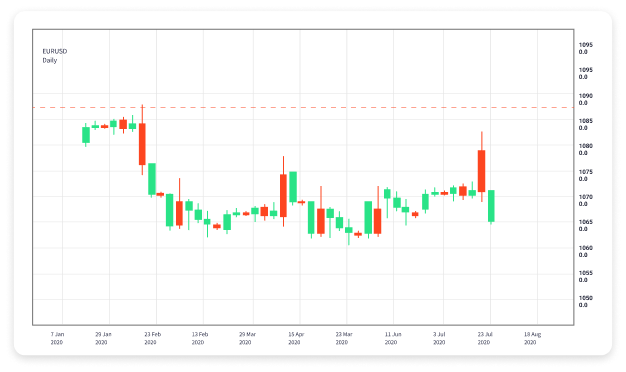
Technical analysis involves studying historical price movements and chart patterns. Traders use various indicators and tools to identify trends and potential reversal points. Popular tools include:
- Moving Averages: Helps smooth out price data to identify trends.
- Relative Strength Index (RSI): Measures the speed and change of price movements to determine overbought or oversold conditions.
- MACD (Moving Average Convergence Divergence): Shows the relationship between two moving averages of a security’s price.
Fundamental Analysis
Fundamental analysis focuses on economic indicators, news events, and geopolitical developments that impact currency values. Traders analyze factors such as:
- Interest Rates: Central banks influence currency strength by altering interest rates.
- Economic Data Releases: Indicators like GDP, employment rates, and inflation can significantly alter Forex market perceptions.
- Geopolitical Events: Events such as elections, trade agreements, and conflicts can lead to volatility in the Forex market.
Choosing the Right Forex Broker

Your choice of broker can significantly impact your trading success. When selecting a Forex broker, consider the following factors:
- Regulation: Ensure that the broker is regulated by a reputable authority, which can provide a layer of security for your funds.
- Trading Platform: Evaluate the trading platform provided by the broker. It should be user-friendly and equipped with the necessary tools for analysis.
- Spreads and Commissions: Understand the fees associated with trading, including spreads and commissions, which can affect profitability.
- Customer Support: Responsive customer support can be crucial, especially if you encounter issues while trading.
Practicing with a Demo Account
One of the best ways to hone your Forex trading skills is to practice with a demo account. Most brokers offer demo accounts where you can trade with virtual money without risking real capital. This allows you to test your strategies, familiarize yourself with the trading platform, and fine-tune your skills before transitioning to live trading.
Continuous Learning and Development
The Forex market is dynamic, and successful traders understand the necessity of continuous education. Here are various avenues for ongoing learning:
- Online Courses: Many platforms offer courses tailored to various skill levels, providing valuable insights into trading strategies and market analysis.
- Webinars and Workshops: Participating in live sessions can facilitate interactive learning and provide timely market updates.
- Trading Communities: Joining forums and social media groups can connect you with like-minded traders to share experiences and insights.
Conclusion
Forex trading can offer lucrative opportunities for those willing to invest time and effort in their education. With a solid understanding of the basics, effective trading strategies, and a commitment to continuous learning, you can enhance your chances of success in the Forex market. Remember, the path to becoming a proficient trader requires patience, discipline, and a well-structured approach. Equip yourself with the right knowledge and resources, and you’re well on your way to mastering Forex trading.