- Cryptocurrencies all
- Are all cryptocurrencies the same
- What is the market cap of all cryptocurrencies
Are all cryptocurrencies the same
Mining pools are groups of miners who pool their resources (hash power) to increase their chances of winning block rewards. When the pool successfully finds a block, the miners in the pool share the reward according to the amount of work they each contributed slots empire review.
Yet, truth be told, most Americans still don’t know a lot about cryptocurrencies. A January survey conducted by Cobinhood, a cryptocurrency service platform, found that just 56% of the more than 1,000 people it surveyed knew what cryptocurrency is, and just 21% knew where to buy virtual currencies. A further 11% correctly guessed that there were more than 1,500 digital currencies to choose from, meaning the other 89% polled got it wrong. In other words, most folks don’t understand how any of this works, which is really scary considering how much money we’ve seen flow into cryptocurrencies over the past year.
While cryptocurrency mining can be profitable, it comes at a hefty price, costing miners thousands of dollars in hardware and electricity. In fact, the price of mining hardware is similar across the globe, which is why to have a competitive edge over other miners, an operation must have access to low-cost electricity.
Cryptocurrencies all
The UK’s Financial Conduct Authority estimated there were over 20,000 different cryptocurrencies by the start of 2023, although many of these were no longer traded and would never grow to a significant size.
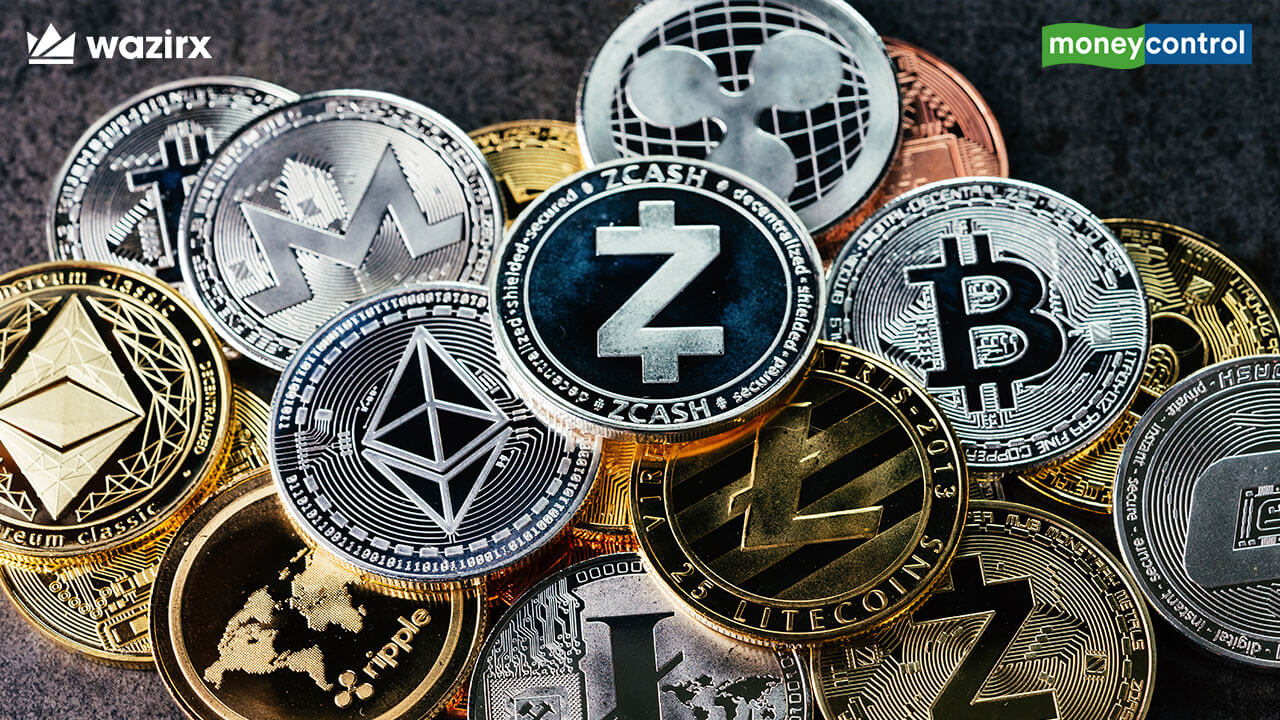
The UK’s Financial Conduct Authority estimated there were over 20,000 different cryptocurrencies by the start of 2023, although many of these were no longer traded and would never grow to a significant size.
Welcome to CoinMarketCap.com! This site was founded in May 2013 by Brandon Chez to provide up-to-date cryptocurrency prices, charts and data about the emerging cryptocurrency markets. Since then, the world of blockchain and cryptocurrency has grown exponentially and we are very proud to have grown with it. We take our data very seriously and we do not change our data to fit any narrative: we stand for accurately, timely and unbiased information.
These crypto coins have their own blockchains which use proof of work mining or proof of stake in some form. They are listed with the largest coin by market capitalization first and then in descending order. To reorder the list, just click on one of the column headers, for example, 7d, and the list will be reordered to show the highest or lowest coins first.
Related Links Are you ready to learn more? Visit our glossary and crypto learning center. Are you interested in the scope of crypto assets? Investigate our list of cryptocurrency categories. Are you interested in knowing which the hottest dex pairs are currently?
The first chain to launch smart contracts was Ethereum. A smart contract enables multiple scripts to engage with each other using clearly defined rules, to execute on tasks which can become a coded form of a contract. They have revolutionized the digital asset space because they have enabled decentralized exchanges, decentralized finance, ICOs, IDOs and much more. A huge proportion of the value created and stored in cryptocurrency is enabled by smart contracts.
Are all cryptocurrencies the same
Digital currencies are simply money in the digital form. You can decode the digital currency vs cryptocurrency debate by learning the fundamentals of digital currencies. You cannot store digital currency in your wallets like physical currency, such as coins and cash. As the name implies, digital currencies are completely online, and you can access them or use them for transactions only on computers or mobile devices.
The world of cryptocurrencies is a whirlwind of innovation. New projects, trends, and even entirely new sectors of blockchain application seem to emerge constantly. Staying informed in this rapidly evolving space is essential for making smart decisions, whether as an investor, developer, or simply a curious observer. Here’s how:
The crypto market is huge, and it follows different rules, but it doesn’t mean it’s the same for all the cryptocurrencies available on it. When we talk about it, the first thing that crosses our minds is Bitcoin and its huge role in the world. It was the first virtual currency launched more than a decade ago, so it’s understandable that people recognize it the most, and it’s possible that most of them can’t name more than two currencies. But, there is a lot more than that – according to many sources, the total number of digital money is 6,955, but some of them failed and aren’t active right now. Another source says that the complete number is around 5,000 and that’s really a lot, knowing that we only recognize barely 10 of them.
You can use cryptocurrency to buy goods and services, at least in theory. However, the use of cryptocurrency is not widely accepted yet as an alternative currency (as opposed to, say, the U.S. dollar) and because of this, most investors treat cryptocurrency as an asset like precious metals or stocks.
What is the market cap of all cryptocurrencies
Bitcoin is the oldest and most established cryptocurrency, and has a market cap that is larger than all of the other cryptocurrencies combined. Bitcoin is also the most widely adopted cryptocurrency, and is accepted by practically all businesses that deal with cryptocurrency.
A cryptocurrency’s market cap increases when its price per unit increases. Alternatively, an increase in circulating supply can also lead to an increase in market cap. However, an increase in supply also tends to lead to a lower price per unit, and the two cancel each other out to a large extent. In practice, an increase in price per unit is the main way in which a cryptocurrency’s market cap grows.
The very first cryptocurrency was Bitcoin. Since it is open source, it is possible for other people to use the majority of the code, make a few changes and then launch their own separate currency. Many people have done exactly this. Some of these coins are very similar to Bitcoin, with just one or two amended features (such as Litecoin), while others are very different, with varying models of security, issuance and governance. However, they all share the same moniker — every coin issued after Bitcoin is considered to be an altcoin.
The two major categories of cryptocurrencies are Proof-of-Work and Proof-of-Stake. Proof-of-Work coins use mining, while Proof-of-Stake coins use staking to achieve consensus about the state of the ledger.
Crypto market capitalization or “crypto market cap” for short is a widely used metric that is commonly used to compare the relative size of different cryptocurrencies. On CoinCodex, market cap is the default metric by which we rank cryptocurrencies on our frontpage. We also track the total cryptocurrency market cap by adding together the market cap of all the cryptocurrencies listed on CoinCodex. The total market cap provides an estimate on whether the cryptocurrency market as a whole is growing or declining.